
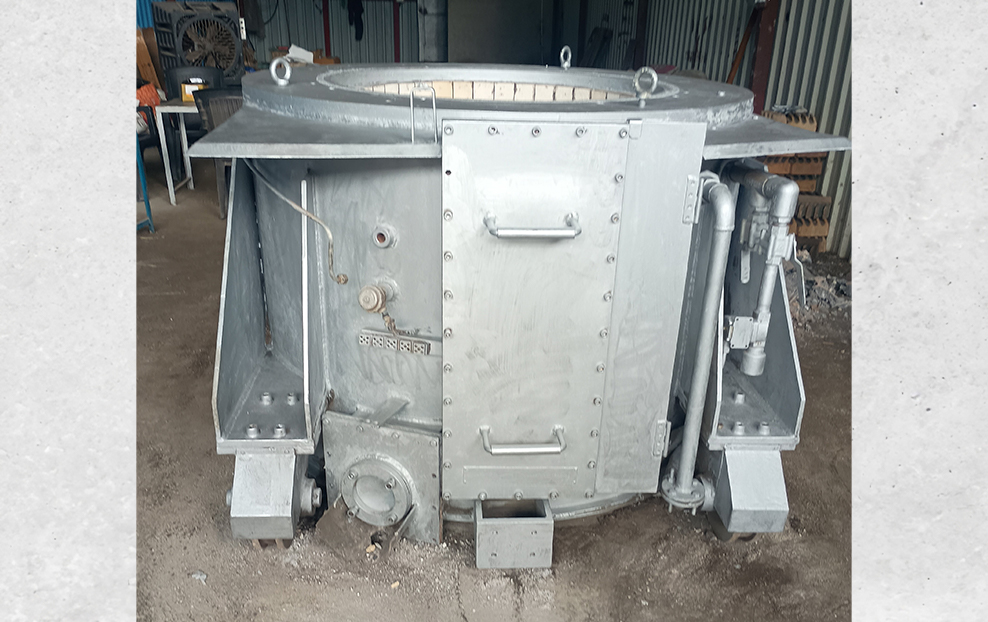
Electrical Crucible Holding Furnace For Aluminium
An electrical crucible holding furnace is a type of industrial furnace used to maintain molten metal (typically non-ferrous metals like aluminum, brass, zinc, lead, and tin alloys) at a precise, controlled temperature for an extended period. This is crucial in metal casting processes like die casting (High-Pressure Die Casting - HPDC, and Gravity Die Casting - GDC) and sand casting, where a consistent supply of molten metal at the right temperature is essential for product quality and efficient production.
Here's a breakdown of its key aspects :
- Crucible : The molten metal is contained within a refractory crucible, which sits inside the furnace. Crucibles can be made from various materials like silicon carbide (SiC), graphite, cast iron, etc., depending on the metal being held and the operating temperature.
- Indirect Heating : Unlike melting furnaces that directly heat the metal, holding furnaces typically heat the crucible indirectly.
- Heating Elements : Electrical resistance heaters are the primary source of heat. These often use materials like Silicon Carbide (SiC) heaters or high-temperature alloy resistance bands (coil-type heaters). These heaters surround the crucible, transferring heat to it through radiation and convection.
- Temperature Control : Precise temperature control is vital. Electrical crucible holding furnaces typically employ PID (Proportional-Integral-Derivative) controlled heating systems with THYRISTOR drives. This allows for tight temperature control, often within a few degrees Celsius (e.g., ±5°C or ±10°C), ensuring the molten metal remains at the desired casting temperature.
- Insulation : High-quality insulation (e.g., ceramic fiber, calcium silicate boards, microporous insulation) is critical to minimize heat loss and improve energy efficiency, especially during long holding periods.
- Safety Features : Many furnaces include safety features like metal leakage detectors (which cut off power in case of a crucible breach) and over-temperature alarms.
Key Features and Benefits :
- Precise Temperature Control : Ensures consistent metal quality and reduces defects in castings.
- Energy Efficiency : Modern designs with advanced insulation and controlled heating systems aim for low energy consumption. For example, some 500 kg holding furnaces consume around 10-11 kWh.
- Low Metal Loss : By maintaining the metal at a steady temperature, these furnaces help minimize metal oxidation and dross formation, leading to less material waste.
- Ease of Maintenance : Many designs allow for easy replacement of heating elements without removing the crucible, reducing downtime.
- Versatility : Available in various capacities (from 50 kg to over 1000 kg) to suit different production needs.
- Clean Operation : Compared to fuel-fired furnaces, electrical furnaces produce no combustion byproducts, contributing to a cleaner working environment.
- Suitable for Specific Applications : Ideal for applications where metal quality is paramount and production rates might be lower, such as High-Pressure Die Casting (HPDC) and Gravity Die Casting (GDC).
Applications :
- Aluminum foundries
- Metal casting (die casting, sand casting, permanent mold casting)
- Heat treatment facilities
- Melting and holding various non-ferrous metals like aluminum, copper, brass, zinc, lead, and tin alloys